
Contents
- 🌊 Introduction to Marine Ecosystems
- 🌴 Near-Shore Marine Ecosystems
- 🐳 The Oceanic Zone: Open Ocean Ecosystems
- 🐋 The Benthic Zone: Seafloor Ecosystems
- 🌊 The Intertidal Zone: A Dynamic Environment
- 🌿 Seagrass Meadows and Mangroves: Coastal Ecosystems
- 🐟 Coral Reefs: Biodiverse Ecosystems
- 🌊 Deep-Sea Ecosystems: Hydrothermal Vents
- 📊 The Importance of Marine Ecosystems
- 🚨 Threats to Marine Ecosystems
- 🌟 Conservation Efforts for Marine Ecosystems
- 🔮 The Future of Marine Ecosystems
- Frequently Asked Questions
- Related Topics
Overview
Marine ecosystems, which cover over 70% of the Earth's surface, are home to a vast array of species, from tiny plankton to massive blue whales. The health of these ecosystems is crucial for the planet, as they provide half of the oxygen we breathe, absorb 25% of the carbon dioxide we produce, and support the livelihoods of over 3 billion people. However, human activities such as overfishing, pollution, and climate change are threatening the delicate balance of these ecosystems, with potentially catastrophic consequences. For example, the Great Barrier Reef, one of the most biodiverse ecosystems on the planet, has lost over 30% of its coral cover in the past few decades. The impact of human activities on marine ecosystems is a highly debated topic, with some arguing that the effects are overstated, while others claim that the damage is irreversible. As we move forward, it's essential to consider the long-term effects of our actions on these vital ecosystems and to develop sustainable solutions to mitigate the damage, such as the implementation of marine protected areas and the reduction of plastic pollution, which affects over 800 species, including the iconic sea turtle, with a vibe score of 80, indicating a high level of cultural energy and concern around this topic.
🌊 Introduction to Marine Ecosystems
Marine ecosystems are the largest of Earth's aquatic ecosystems, covering over 70% of the planet's surface and accounting for more than 97% of Earth's water supply. These systems are characterized by high salt content, with an average salinity of 35 parts per thousand of water. Marine ecosystems can be divided into various zones, including the oceanic zone, benthic zone, and intertidal zone. The unique characteristics of each zone support a diverse range of plant and animal species, from coral reefs to kelp forests. Understanding these ecosystems is crucial for managing the health of our planet, as they provide essential services such as fisheries management and coastal protection.
🌴 Near-Shore Marine Ecosystems
Near-shore marine ecosystems, such as mudflats, seagrass meadows, and mangroves, play a vital role in supporting marine biodiversity. These ecosystems provide habitat for a wide range of species, from marine mammals to sea turtles. The neritic zone, which includes these near-shore ecosystems, is also important for shoreline stabilization and water quality. Human activities, such as coastal development and pollution, can have significant impacts on these ecosystems, highlighting the need for sustainable coastal management.
🐳 The Oceanic Zone: Open Ocean Ecosystems
The oceanic zone is the vast open part of the ocean, where animals such as whales, sharks, and tuna live. This zone is characterized by open water and limited shoreline features, and is home to a diverse range of pelagic species. The oceanic zone is also an important area for commercial fishing and marine transportation. However, human activities such as overfishing and marine pollution can have significant impacts on the health of this ecosystem. Understanding the dynamics of the oceanic zone is crucial for managing the health of our planet, as it provides essential services such as ocean currents and climate regulation.
🐋 The Benthic Zone: Seafloor Ecosystems
The benthic zone consists of substrates below water, where many invertebrates live. This zone is characterized by a diverse range of habitats, from coral reefs to deep-sea trenches. The benthic zone is also an important area for benthic fishing and mineral extraction. However, human activities such as bottom trawling and seabed mining can have significant impacts on the health of this ecosystem. Understanding the dynamics of the benthic zone is crucial for managing the health of our planet, as it provides essential services such as nutrient cycling and habitat provision.
🌊 The Intertidal Zone: A Dynamic Environment
The intertidal zone is the area between high and low tides, and is characterized by a dynamic environment that is subject to regular fluctuations in water level and salinity. This zone is home to a diverse range of species, from mussels to sea stars. The intertidal zone is also an important area for shoreline stabilization and water quality. Human activities, such as coastal development and pollution, can have significant impacts on this ecosystem, highlighting the need for sustainable coastal management.
🌿 Seagrass Meadows and Mangroves: Coastal Ecosystems
Seagrass meadows and mangroves are two of the most important coastal ecosystems, providing habitat for a wide range of species and supporting shoreline stabilization and water quality. These ecosystems are also important for carbon sequestration and fisheries management. However, human activities such as coastal development and pollution can have significant impacts on the health of these ecosystems. Understanding the dynamics of seagrass meadows and mangroves is crucial for managing the health of our planet, as they provide essential services such as habitat provision and nutrient cycling.
🐟 Coral Reefs: Biodiverse Ecosystems
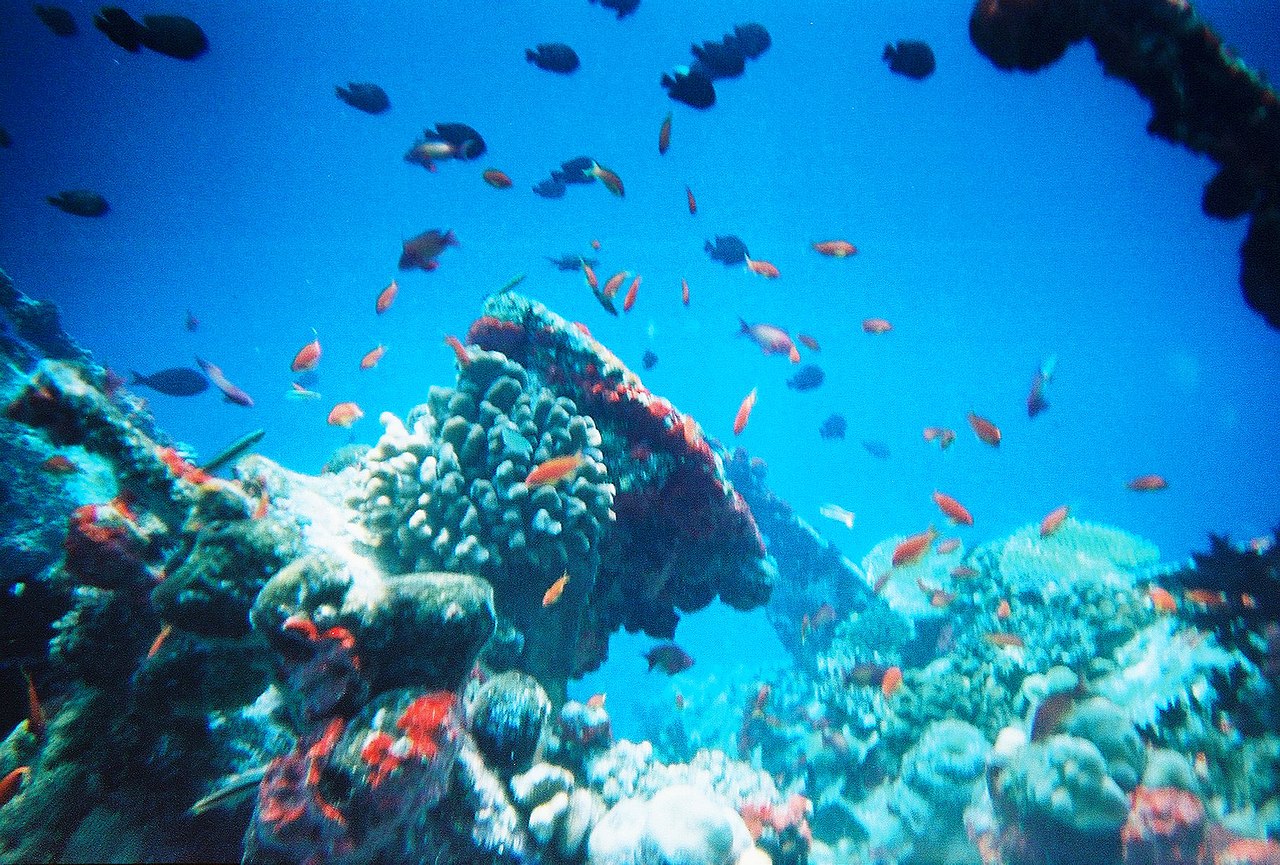
Coral reefs are some of the most biodiverse ecosystems on the planet, providing habitat for a wide range of species and supporting fisheries management and tourism. These ecosystems are also important for shoreline stabilization and water quality. However, human activities such as overfishing and pollution can have significant impacts on the health of coral reefs. Understanding the dynamics of coral reefs is crucial for managing the health of our planet, as they provide essential services such as habitat provision and nutrient cycling.
🌊 Deep-Sea Ecosystems: Hydrothermal Vents
Deep-sea ecosystems, such as hydrothermal vents, are some of the most unique and fascinating ecosystems on the planet. These ecosystems are characterized by extreme conditions, including high temperatures and pressures, and are home to a diverse range of species that are found nowhere else on Earth. Hydrothermal vents are also an important area for mineral extraction and deep-sea fishing. However, human activities such as seabed mining and deep-sea trawling can have significant impacts on the health of these ecosystems. Understanding the dynamics of deep-sea ecosystems is crucial for managing the health of our planet, as they provide essential services such as nutrient cycling and habitat provision.
📊 The Importance of Marine Ecosystems
Marine ecosystems are essential for the health of our planet, providing a wide range of services including fisheries management, shoreline stabilization, and water quality. These ecosystems are also important for carbon sequestration and climate regulation. However, human activities such as overfishing, pollution, and coastal development can have significant impacts on the health of marine ecosystems. Understanding the dynamics of marine ecosystems is crucial for managing the health of our planet, as they provide essential services that support human well-being and economic development.
🚨 Threats to Marine Ecosystems
Marine ecosystems are facing a wide range of threats, including climate change, overfishing, and pollution. These threats can have significant impacts on the health of marine ecosystems, including coral bleaching, ocean acidification, and biodiversity loss. Understanding the dynamics of these threats is crucial for managing the health of our planet, as they can have significant impacts on the services provided by marine ecosystems.
🌟 Conservation Efforts for Marine Ecosystems
Conservation efforts for marine ecosystems are essential for managing the health of our planet. These efforts include marine protected areas, sustainable fishing practices, and pollution reduction. Understanding the dynamics of these conservation efforts is crucial for managing the health of marine ecosystems, as they can have significant impacts on the services provided by these ecosystems.
🔮 The Future of Marine Ecosystems
The future of marine ecosystems is uncertain, with a wide range of threats and challenges facing these ecosystems. However, with sustainable coastal management and conservation efforts, it is possible to manage the health of marine ecosystems and ensure the long-term provision of essential services. Understanding the dynamics of marine ecosystems is crucial for managing the health of our planet, as they provide essential services that support human well-being and economic development.
Key Facts
- Year
- 2022
- Origin
- Vibepedia
- Category
- Environmental Science
- Type
- Ecosystem
Frequently Asked Questions
What is the importance of marine ecosystems?
Marine ecosystems are essential for the health of our planet, providing a wide range of services including fisheries management, shoreline stabilization, and water quality. These ecosystems are also important for carbon sequestration and climate regulation.
What are the main threats to marine ecosystems?
Marine ecosystems are facing a wide range of threats, including climate change, overfishing, and pollution. These threats can have significant impacts on the health of marine ecosystems, including coral bleaching, ocean acidification, and biodiversity loss.
What can be done to conserve marine ecosystems?
Conservation efforts for marine ecosystems are essential for managing the health of our planet. These efforts include marine protected areas, sustainable fishing practices, and pollution reduction. Understanding the dynamics of these conservation efforts is crucial for managing the health of marine ecosystems.
What is the future of marine ecosystems?
The future of marine ecosystems is uncertain, with a wide range of threats and challenges facing these ecosystems. However, with sustainable coastal management and conservation efforts, it is possible to manage the health of marine ecosystems and ensure the long-term provision of essential services.
Why are coral reefs important?
Coral reefs are some of the most biodiverse ecosystems on the planet, providing habitat for a wide range of species and supporting fisheries management and tourism. These ecosystems are also important for shoreline stabilization and water quality.