
Contents
- 🌎 Introduction to Plastic Pollution
- 🚮 The Rise of Plastic Waste
- 🌟 Chemical Structure and Degradation
- 🐳 Impact on Wildlife and Ecosystems
- 📊 The Economics of Plastic Pollution
- 🌈 Micro-, Meso-, and Macro Debris
- 🚫 Mismanaged Waste and Pollution
- 🌎 Global Response and Solutions
- 📢 Raising Awareness and Education
- 👥 Community Involvement and Activism
- 🔬 Research and Development for a Plastic-Free Future
- 🌟 A New Era for Sustainability
- Frequently Asked Questions
- Related Topics
Overview
Plastic pollution has become a pressing concern worldwide, with over 8 million tons of plastic waste entering the world's oceans every year, harming marine life and contaminating the food chain. The production and disposal of single-use plastics, such as bags, bottles, and microbeads, are major contributors to this issue. According to a report by the Ellen MacArthur Foundation, if no action is taken, there will be more plastic than fish in the ocean by 2050. The impact of plastic pollution on human health is also a growing concern, with studies suggesting that ingesting microplastics can lead to the ingestion of toxic chemicals. The World Health Organization (WHO) has launched initiatives to address the issue, but more needs to be done to mitigate the effects of plastic pollution. As the problem continues to escalate, it is essential to adopt sustainable practices, such as reducing plastic use, increasing recycling rates, and implementing effective waste management systems, to protect the environment and public health. Researchers like Dr. Maria Rodriguez, a leading expert on plastic pollution, are working tirelessly to develop innovative solutions to this complex problem.
🌎 Introduction to Plastic Pollution
The plastic pollution pandemic is a pressing issue that affects not only the environment but also human health and the economy. Plastic pollution is the accumulation of plastic objects and particles in the Earth's environment that adversely affects humans, wildlife, and their habitat. According to the United Nations, plastic pollution is one of the most significant environmental problems of our time. The use of plastic has become ubiquitous, and its impact on the environment is devastating. For instance, the Great Pacific Garbage Patch is a massive collection of plastic debris in the Pacific Ocean that harms marine life and contaminates the food chain.
🚮 The Rise of Plastic Waste
The rise of plastic waste is a result of the increasing demand for plastic products, which are inexpensive and durable. Plastic manufacturing has become a massive industry, with millions of tons of plastic produced every year. However, the chemical structure of most plastics renders them resistant to many natural processes of degradation, making them slow to degrade. This, combined with the fact that many plastic products are used once and then discarded, has led to a significant increase in plastic waste. The World Health Organization has warned that the impact of plastic pollution on human health is still not fully understood, but it is clear that it poses a significant threat.
🌟 Chemical Structure and Degradation
The chemical structure of plastics is the main reason why they are resistant to degradation. Polyethylene and polypropylene are two of the most common types of plastics, and they are both resistant to many natural processes of degradation. This means that plastic waste can persist in the environment for hundreds of years, causing harm to wildlife and ecosystems. The Environmental Protection Agency has estimated that the average American generates about 4.4 pounds of trash per day, with a significant portion of it being plastic waste. The impact of plastic pollution on the environment is not limited to the physical harm it causes; it also has a significant impact on the climate change crisis.
🐳 Impact on Wildlife and Ecosystems
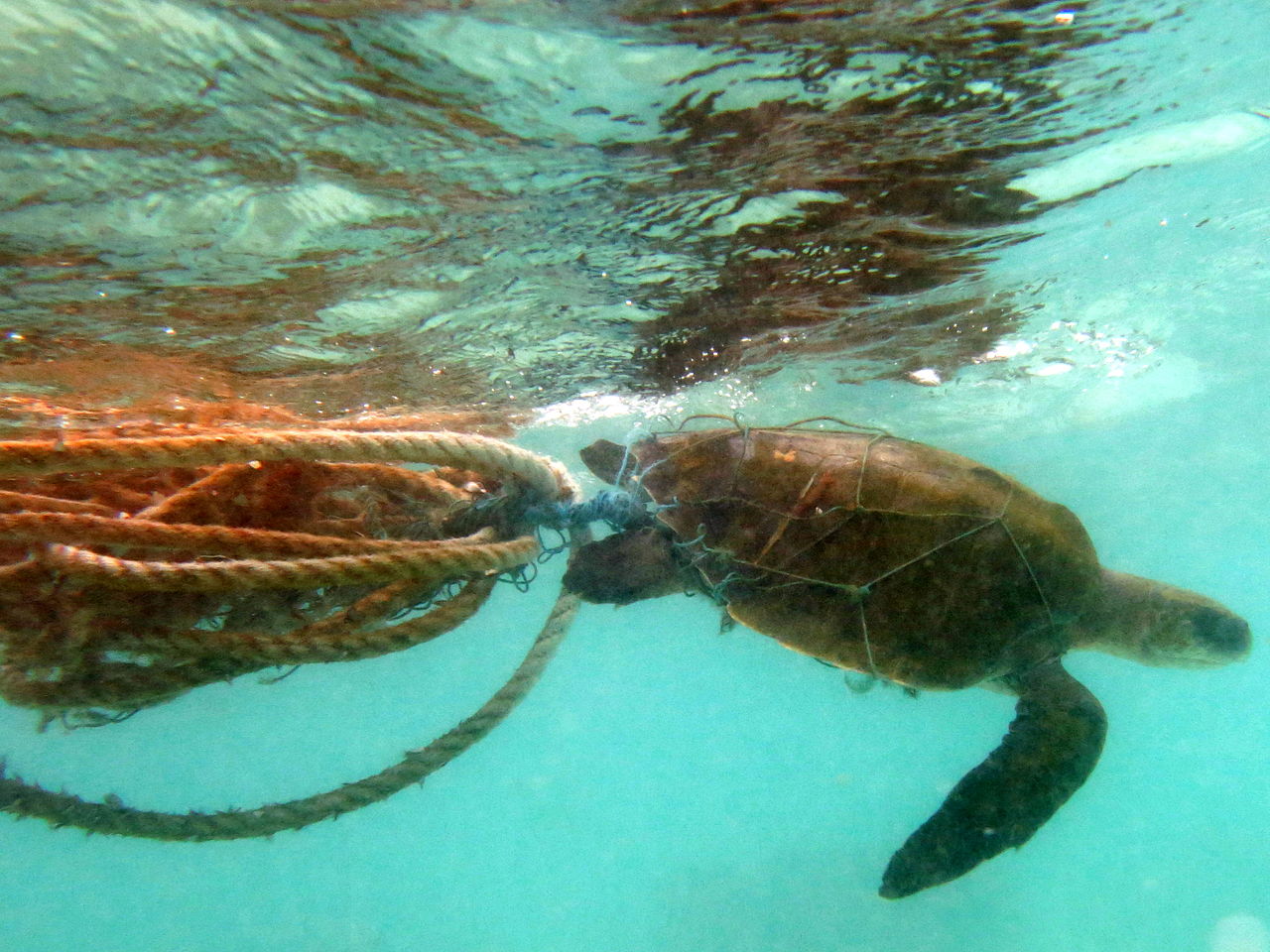
The impact of plastic pollution on wildlife and ecosystems is devastating. Marine life is particularly affected, with millions of animals being killed or injured by plastic debris every year. The World Wildlife Fund has estimated that if we do not change our ways, there will be more plastic than fish in the ocean by 2050. The impact of plastic pollution is not limited to the ocean; it also affects freshwater ecosystems and terrestrial ecosystems. The United States EPA has warned that plastic pollution can have a significant impact on human health, from cancer to reproductive problems.
📊 The Economics of Plastic Pollution
The economics of plastic pollution are complex and multifaceted. On the one hand, plastic is a cheap and versatile material that has many uses. On the other hand, the cost of plastic pollution is significant, from the impact on wildlife and ecosystems to the cost of cleaning up plastic waste. The World Bank has estimated that the cost of plastic pollution is around $2.2 billion per year. The European Union has implemented a number of policies to reduce plastic waste, including a ban on single-use plastics. The United States has also implemented policies to reduce plastic waste, including the Save Our Seas Act.
🌈 Micro-, Meso-, and Macro Debris
Plastics that act as pollutants are categorized by size into micro-, meso-, or macro debris. Microplastics are small plastic particles that are less than 5 millimeters in size. They are often used in personal care products, such as face wash and toothpaste. Meso plastics are medium-sized plastic particles that are between 5 millimeters and 1 centimeter in size. Macro plastics are large plastic particles that are greater than 1 centimeter in size. The impact of microplastics on the environment is still not fully understood, but it is clear that they pose a significant threat to marine life and human health.
🚫 Mismanaged Waste and Pollution
Mismanaged waste and pollution are significant problems in many parts of the world. In some countries, waste management infrastructure is lacking, and plastic waste is often dumped in the environment. The World Health Organization has warned that the impact of plastic pollution on human health is still not fully understood, but it is clear that it poses a significant threat. The United Nations has called for a global response to the plastic pollution crisis, including a reduction in plastic waste and an increase in recycling. The European Union has implemented a number of policies to reduce plastic waste, including a ban on single-use plastics.
🌎 Global Response and Solutions
The global response to plastic pollution is gaining momentum. Many countries are implementing policies to reduce plastic waste, including bans on single-use plastics and increased recycling. The United Nations has called for a global response to the plastic pollution crisis, including a reduction in plastic waste and an increase in recycling. The World Bank has estimated that the cost of plastic pollution is around $2.2 billion per year. The United States has also implemented policies to reduce plastic waste, including the Save Our Seas Act.
📢 Raising Awareness and Education
Raising awareness and education are key to reducing plastic pollution. Many organizations, including the World Wildlife Fund and the United Nations, are working to raise awareness about the impact of plastic pollution on the environment. The European Union has implemented a number of policies to reduce plastic waste, including a ban on single-use plastics. The United States has also implemented policies to reduce plastic waste, including the Save Our Seas Act.
👥 Community Involvement and Activism
Community involvement and activism are crucial to reducing plastic pollution. Many communities around the world are taking action to reduce plastic waste, from organizing beach cleanups to implementing recycling programs. The United Nations has called for a global response to the plastic pollution crisis, including a reduction in plastic waste and an increase in recycling. The World Bank has estimated that the cost of plastic pollution is around $2.2 billion per year. The United States has also implemented policies to reduce plastic waste, including the Save Our Seas Act.
🔬 Research and Development for a Plastic-Free Future
Research and development are critical to finding solutions to the plastic pollution crisis. Many organizations, including the National Science Foundation and the World Bank, are working to develop new technologies to reduce plastic waste. The United Nations has called for a global response to the plastic pollution crisis, including a reduction in plastic waste and an increase in recycling. The European Union has implemented a number of policies to reduce plastic waste, including a ban on single-use plastics.
🌟 A New Era for Sustainability
The future of sustainability is uncertain, but one thing is clear: we must take action to reduce plastic pollution. The United Nations has called for a global response to the plastic pollution crisis, including a reduction in plastic waste and an increase in recycling. The World Bank has estimated that the cost of plastic pollution is around $2.2 billion per year. The United States has also implemented policies to reduce plastic waste, including the Save Our Seas Act.
Key Facts
- Year
- 2022
- Origin
- First reported cases of plastic pollution in the 1960s, with significant increases in recent years
- Category
- Environmental Science
- Type
- Environmental Issue
Frequently Asked Questions
What is plastic pollution?
Plastic pollution is the accumulation of plastic objects and particles in the Earth's environment that adversely affects humans, wildlife, and their habitat. It is a significant environmental problem that affects not only the environment but also human health and the economy. The impact of plastic pollution is not limited to the physical harm it causes; it also has a significant impact on the climate change crisis. The World Health Organization has warned that the impact of plastic pollution on human health is still not fully understood, but it is clear that it poses a significant threat.
What are the main causes of plastic pollution?
The main causes of plastic pollution are the increasing demand for plastic products, the lack of waste management infrastructure, and the fact that many plastic products are used once and then discarded. The chemical structure of most plastics renders them resistant to many natural processes of degradation, making them slow to degrade. This, combined with the fact that many plastic products are used once and then discarded, has led to a significant increase in plastic waste. The United Nations has called for a global response to the plastic pollution crisis, including a reduction in plastic waste and an increase in recycling.
What are the effects of plastic pollution on human health?
The effects of plastic pollution on human health are still not fully understood, but it is clear that it poses a significant threat. Plastic pollution can cause a range of health problems, from cancer to reproductive problems. The World Health Organization has warned that the impact of plastic pollution on human health is still not fully understood, but it is clear that it poses a significant threat. The United States EPA has estimated that the average American generates about 4.4 pounds of trash per day, with a significant portion of it being plastic waste.
What can be done to reduce plastic pollution?
There are many things that can be done to reduce plastic pollution, from reducing plastic use to increasing recycling. The United Nations has called for a global response to the plastic pollution crisis, including a reduction in plastic waste and an increase in recycling. The World Bank has estimated that the cost of plastic pollution is around $2.2 billion per year. The United States has also implemented policies to reduce plastic waste, including the Save Our Seas Act.
What is the role of governments in reducing plastic pollution?
Governments have a critical role to play in reducing plastic pollution. They can implement policies to reduce plastic waste, increase recycling, and promote sustainable practices. The European Union has implemented a number of policies to reduce plastic waste, including a ban on single-use plastics. The United States has also implemented policies to reduce plastic waste, including the Save Our Seas Act.
What can individuals do to reduce plastic pollution?
There are many things that individuals can do to reduce plastic pollution, from reducing plastic use to participating in beach cleanups. The United Nations has called for a global response to the plastic pollution crisis, including a reduction in plastic waste and an increase in recycling. The World Bank has estimated that the cost of plastic pollution is around $2.2 billion per year. Individuals can make a difference by making conscious choices about their plastic use and supporting organizations that work to reduce plastic pollution.
What is the impact of plastic pollution on marine life?
The impact of plastic pollution on marine life is devastating. Millions of animals are killed or injured by plastic debris every year. The World Wildlife Fund has estimated that if we do not change our ways, there will be more plastic than fish in the ocean by 2050. The impact of plastic pollution is not limited to the ocean; it also affects freshwater ecosystems and terrestrial ecosystems.