
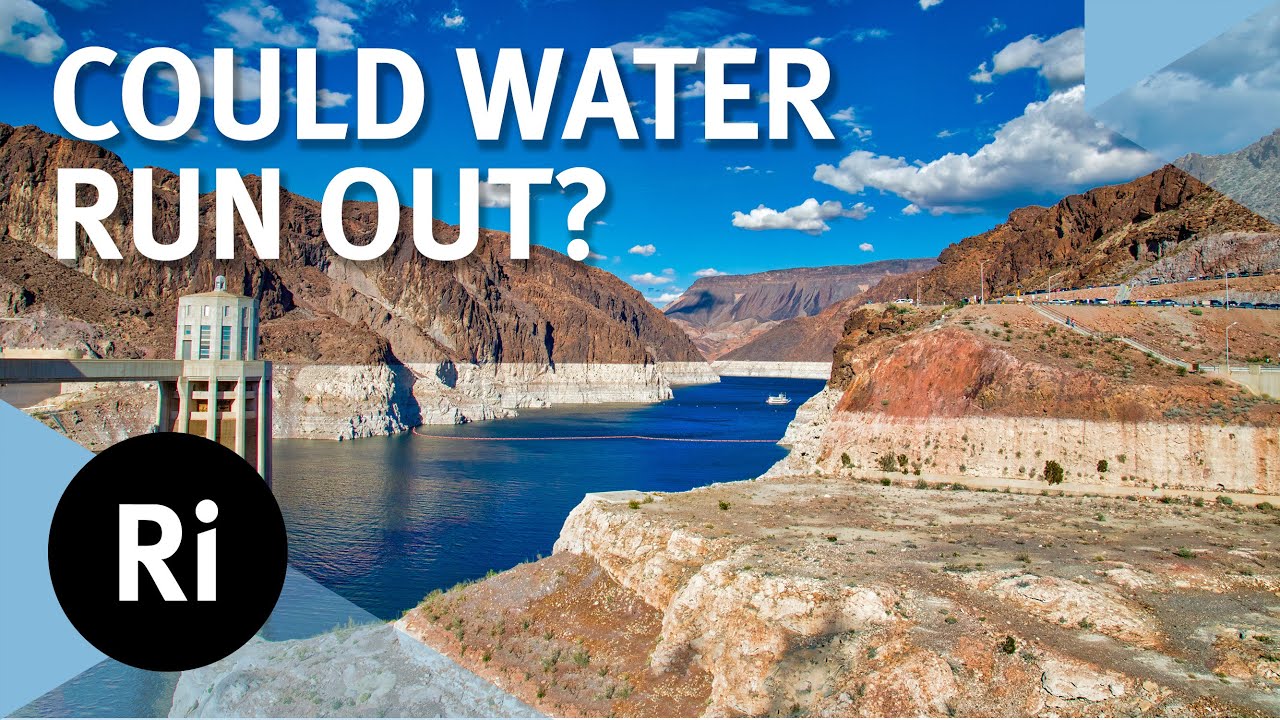
Summary
**UNEP** reports that **50% of the global population** will face water stress by 2050, with **Mexico City** and **Zambia** already declaring emergencies. The crisis is driven by climate change, overuse, and pollution. The report highlights **desalination**, **rainwater harvesting**, and **smart irrigation** as key fixes. However, **inequitable access** and **political will** remain critical barriers. The UNEP call to action emphasizes **international cooperation** and **sustainable infrastructure**. The **UNEP** analysis links water scarcity to **climate change** and **population growth**, with **sub-Saharan Africa** and **South Asia** most vulnerable. While **technology** offers promise, **policy gaps** and **corporate water use** complicate solutions. The report urges **public-private partnerships** and **regional water treaties** to address the crisis.
Key Takeaways
- **50% of the global population** will face water stress by 2050, per **UNEP**
- **Desalination** and **AI water management** could address 10–30% of shortages
- **Sub-Saharan Africa** and **South Asia** are most vulnerable to water crises
- **Corporate water use** accounts for 70% of global freshwater consumption
- **International water treaties** cover only 15% of transboundary rivers
Balanced Perspective
**UNEP** estimates **2.2 billion people** lack safe drinking water, with **70% of global freshwater** used for agriculture. **Climate models** predict **30% more droughts** by 2050. **Mexico City**’s 2023 crisis saw **30% of its reservoirs** dry up, while **Zambia**’s **Zambezi River** dropped to **1.5 meters**. **Water stress** is **unequally distributed**: **10% of the population** consumes **80% of global water**. **Desalination** costs **$0.50–$1.50 per cubic meter**, compared to **$0.05–$0.20** for freshwater.
Optimistic View
**Desalination** could provide 10% of global water needs by 2040, per **MIT**. **AI-driven water management** systems in **Israel** have cut agricultural waste by 30%. **Rainwater harvesting** in **India** has revived 150,000 villages. The **UNEP** roadmap includes **$100 billion in green investments** by 2030, targeting **1.5 billion people** with clean water access. **Smart irrigation** in **California** has boosted crop yields by 25% while reducing usage by 40%.
Critical View
**Water privatization** in **South Africa** led to **20% of households** losing access during 2022. **Corporate water use** by **agribusinesses** consumes **70% of global freshwater**, with **little regulation**. **Climate change** could reduce **global water availability** by **10–30%** by 2050. **Political inaction** has delayed **international water treaties**, with **15% of transboundary rivers** lacking agreements. **Pollution** from **industrial runoff** contaminates **40% of freshwater sources** in **Asia**.
Source
Originally reported by unep.org