
Summary
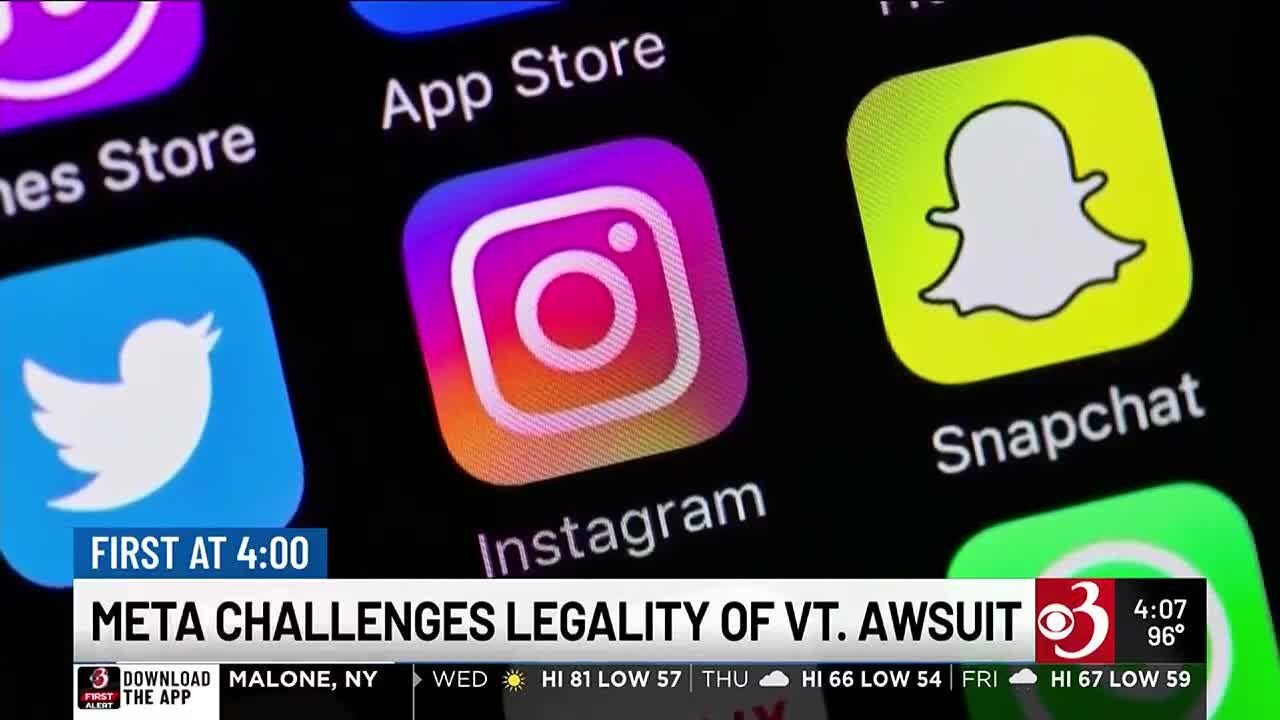
A national tech advocacy group, NetChoice, is asking the U.S. Supreme Court to block **Vermont's lawsuit** against **Meta Platforms, Inc.**, arguing that a recent Vermont Supreme Court ruling could expose every business with a website to lawsuits in all 50 states. The lawsuit, led by **Attorney General Charity Clark**, alleges that Meta's **'infinite scroll'** and **push notifications** violated **Vermont Consumer Protection laws**. The case has significant implications for the tech industry and consumer protection laws. **Meta** argues it has no physical presence in Vermont, while the state's complaint points to internal Meta documents showing the company targeted Vermont. The U.S. Supreme Court is expected to decide whether to hear the case later this spring.
Key Takeaways
- The lawsuit against Meta is about the company's **'infinite scroll'** and **push notifications** and their alleged violation of **Vermont Consumer Protection laws**.
- The case has significant implications for the tech industry and consumer protection laws, with **14 states suing Meta** and nearly **30 other states** pursuing a combined lawsuit.
- The U.S. Supreme Court is expected to decide whether to hear the case later this spring, with **NetChoice** arguing that the lawsuit could set a precedent that would allow any state to sue any company with a website.
- The case highlights the importance of **consumer protection laws** and the need for companies to prioritize their users' well-being.
- The outcome of the case will depend on the U.S. Supreme Court's interpretation of **personal jurisdiction** and the **Vermont Consumer Protection Act**.
Balanced Perspective
The case against Meta is a complex one, with both sides presenting valid arguments. **NetChoice** raises a legitimate concern about the potential implications of the lawsuit for businesses with websites, while **AG Clark** argues that the case is about holding Meta accountable for its actions in Vermont. The outcome of the case will depend on the U.S. Supreme Court's interpretation of **personal jurisdiction** and the **Vermont Consumer Protection Act**. The case is part of a larger trend of states taking action against social media companies, with **14 states suing Meta** and nearly **30 other states** pursuing a combined lawsuit.
Optimistic View
The lawsuit against Meta is a crucial step towards holding social media companies accountable for their design choices and their impact on consumers. **AG Clark's** efforts to keep the case in Vermont ensure that a local jury will decide the outcome, rather than a jury in Silicon Valley. This could lead to a more nuanced understanding of the issues and a more just outcome. The case also highlights the importance of **consumer protection laws** and the need for companies to prioritize their users' well-being.
Critical View
The lawsuit against Meta is a misguided attempt to regulate social media companies and could have unintended consequences for the tech industry. **NetChoice** argues that the lawsuit could set a precedent that would allow any state to sue any company with a website, which could lead to a surge in frivolous lawsuits and stifle innovation. The case also highlights the challenges of regulating social media companies, which operate globally and have complex business models. The outcome of the case is uncertain, and the U.S. Supreme Court may ultimately decide to hear the case and rule in favor of **Meta**.
Source
Originally reported by Compass Vermont